When Delivery Had to Be Protected
A critical healthcare infrastructure project can be technically well designed and still fail to arrive when it is needed.
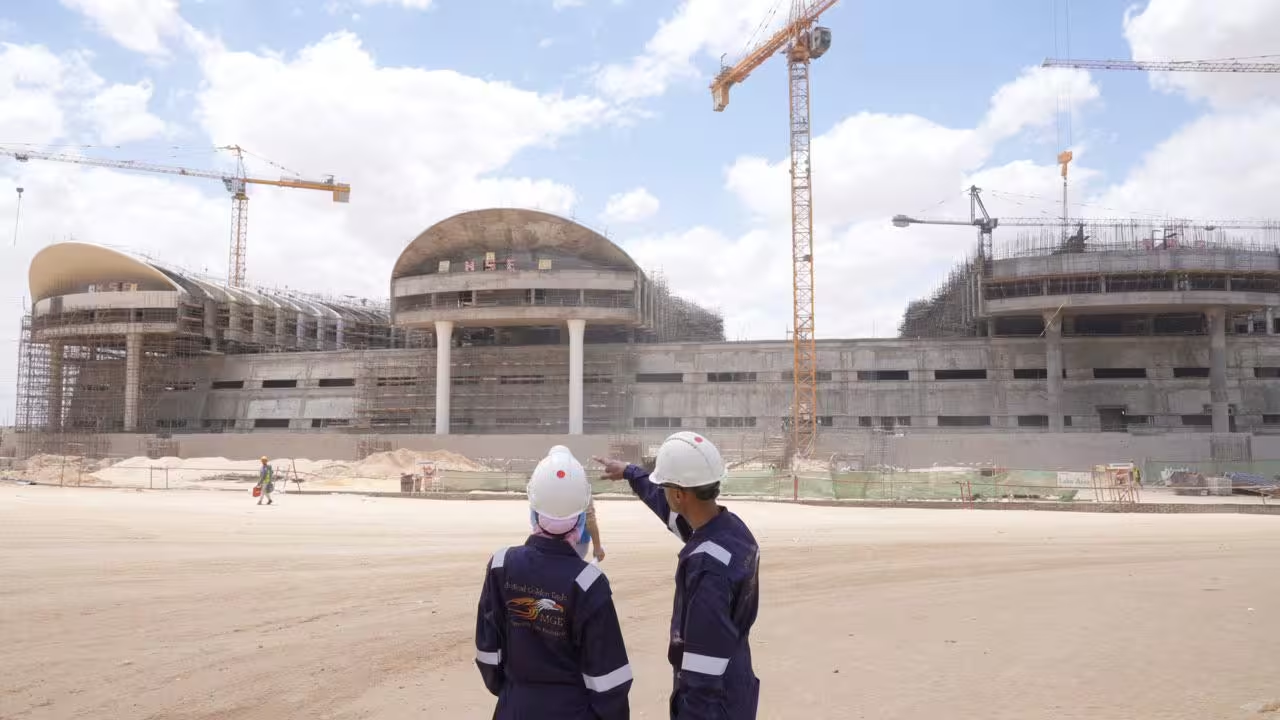
During the delivery of the Magdi Yacoub Global Heart Centre project in Cairo, MGE faced a combination of economic, financial, supply-chain, shipping and site conditions that repeatedly threatened the delivery path.
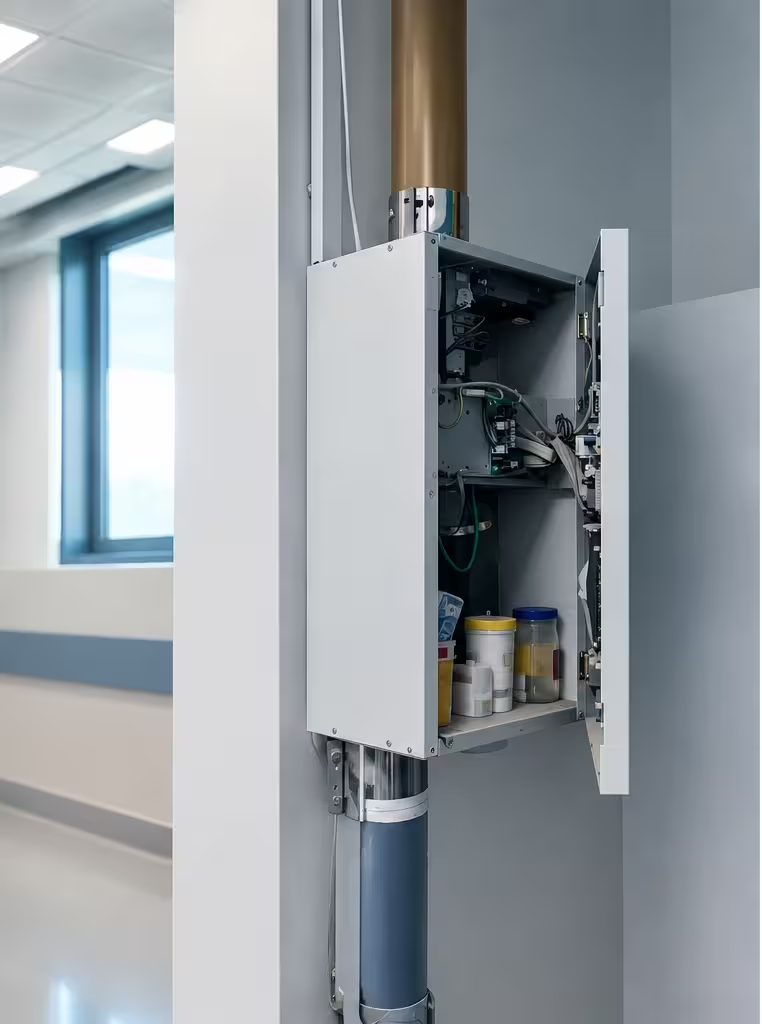
The requirement was not simply to install a Pneumatic Tube System.
It was to protect the path from design and procurement through supply, installation, testing and commissioning—and deliver the functioning system on time.
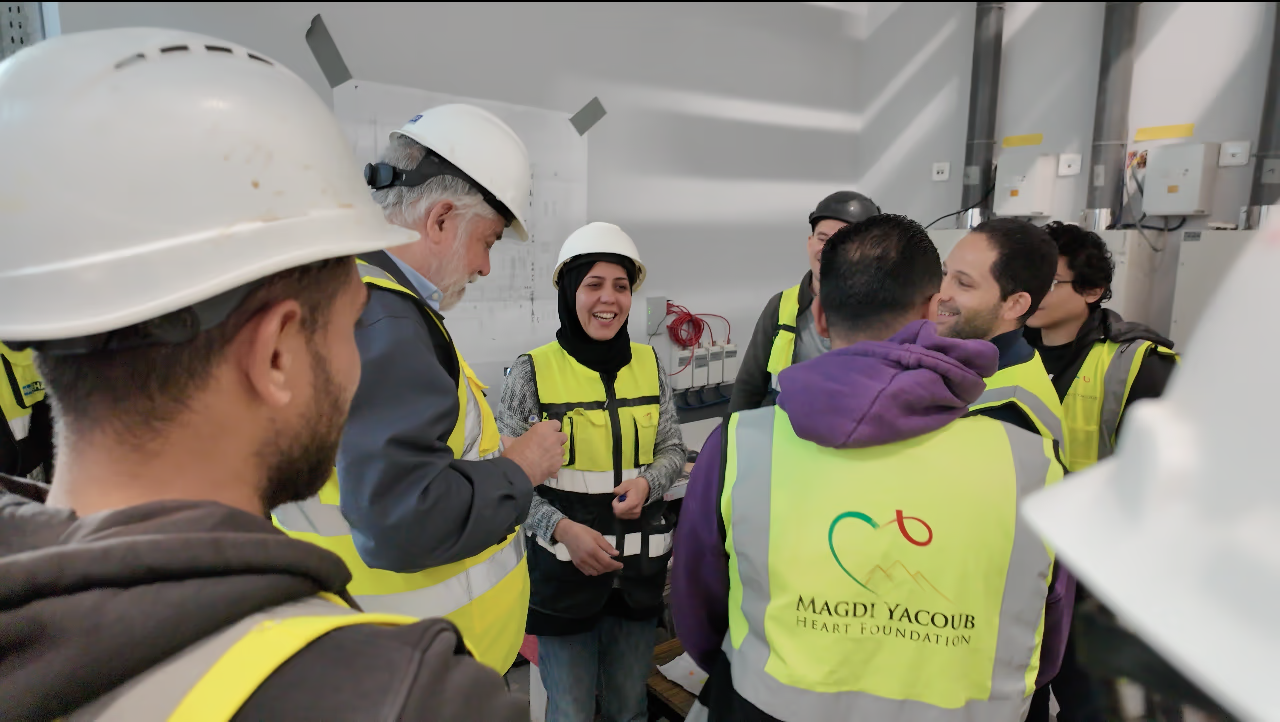
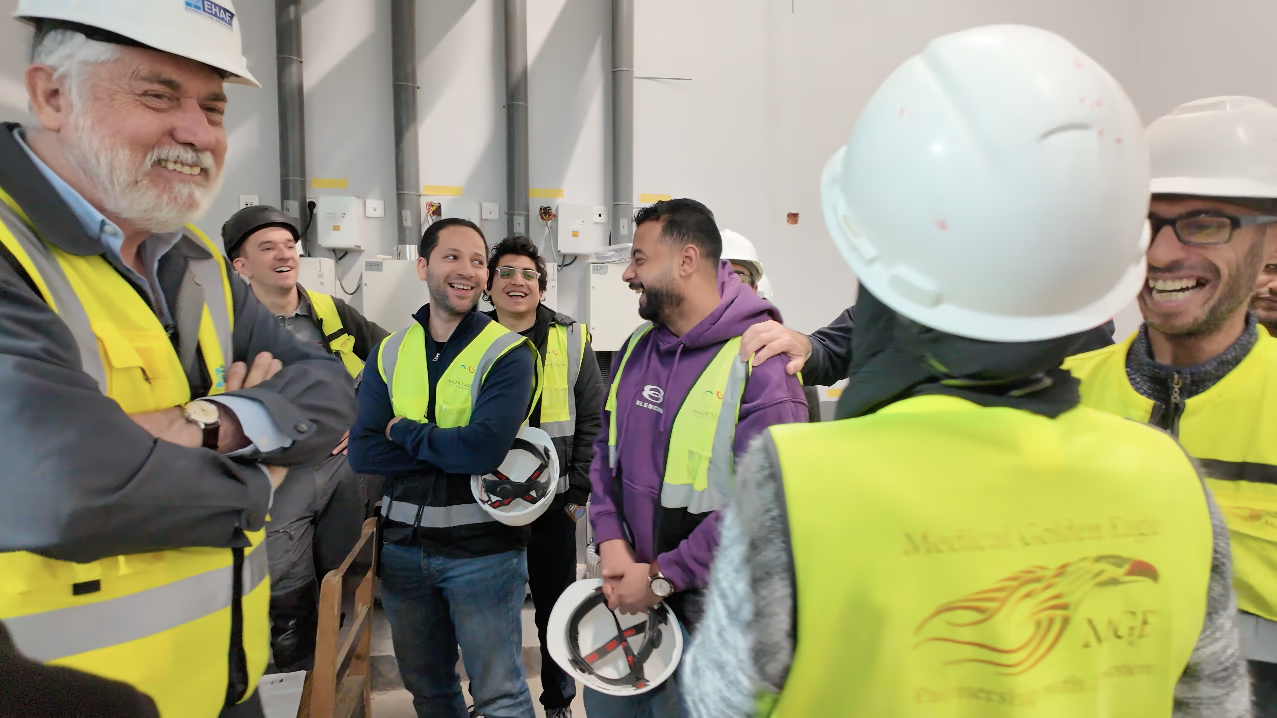
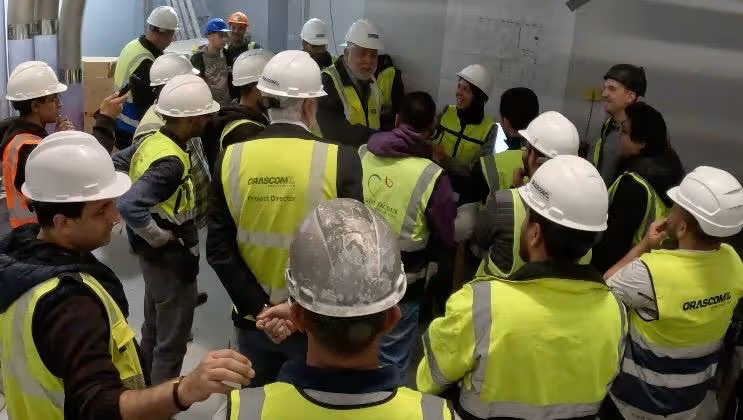
MGE was responsible for the design, supply, installation and commissioning of the Pneumatic Tube System infrastructure, working within a complex project environment involving the Magdi Yacoub Foundation, Orascom Construction and Dar Al-Handasah / EHAF.
The system was delivered and commissioned in July 2025.
The Conditions Were Changing Around the Project
The project was executed during a period of severe and successive economic disruption in Egypt between 2022 and 2025.
Successive currency devaluation decisions significantly changed the commercial conditions under which imported equipment and materials had to be secured.
At the same time, the Russia–Ukraine war disrupted global supply chains and shipping routes. Production schedules were affected, transportation became less predictable and costs increased across international markets.
The disruption also reached the country of origin of the material manufacturer in Germany, where industrial strikes created further uncertainty around production and availability.
For MGE, these conditions were compounded by restrictions affecting foreign-currency transfers through the Central Bank, making the financial path to procurement itself a project risk.
The risk was therefore not concentrated in one place.
It existed across the chain:
Currency
Finance
Procurement
Production
Shipping
Site Delivery
Installation
Commissioning
A delay at any point could affect everything that followed.
The project therefore had to be managed as a connected delivery system rather than as a sequence of independent activities.
The Delivery Risk Was Real
As the project progressed, securing the shipment became increasingly difficult.
Even leading freight-forwarding companies, including major German forwarding organizations, were unable to secure the required shipping arrangement within the necessary project timeframe.
Waiting for normal market conditions was not a viable delivery strategy.
MGE had to move beyond conventional routes, identify alternative paths, coordinate across the parties involved and continue working through the commercial and logistical constraints until the required Letter of Credit was secured and the shipment schedule was protected.
This required additional, non-traditional measures and sustained coordination across the delivery chain.
The objective remained unchanged:
The system had to arrive when the project required it.
Protecting the Delivery Path
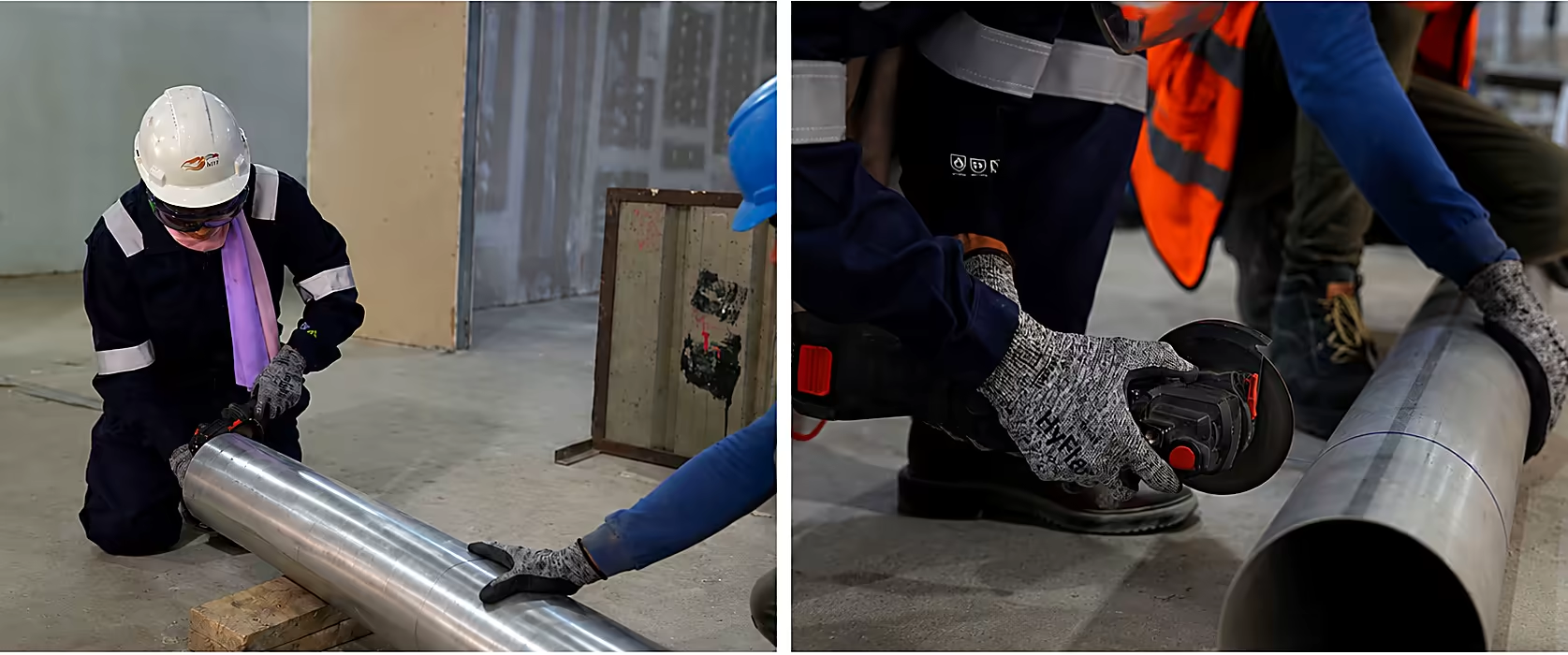
MGE approached the project as an integrated delivery process.
The work connected:
Design
Financial Readiness
Procurement
Production
Shipping
Site Coordination
Installation
Testing
Commissioning
Each stage affected the next.
A procurement decision could affect shipping.
A financial restriction could affect procurement.
A shipping delay could affect installation.
A site condition could affect commissioning.
MGE therefore monitored the dependencies between these activities rather than managing each one in isolation.
Financial and Procurement Readiness
MGE acted early to secure the financial and procurement conditions required for material release.
The project became the first subcontract package to issue its Letter of Credit and secure material delivery, protecting the supply path before the wider market disruption intensified.
Material availability was secured ahead of further inflationary and supply pressure.
The purpose was not simply to purchase early.
It was to remove a future constraint from the delivery path before it became a project delay.
Supply-Chain Continuity
When conventional shipping routes could not provide the required schedule, MGE continued to pursue alternative arrangements.
The challenge was not only finding a freight-forwarder.
It was coordinating the complete sequence required to move the material from production to the project site within the available window.
This required persistence beyond the normal procurement process and coordination across parties that were themselves operating under exceptional conditions.
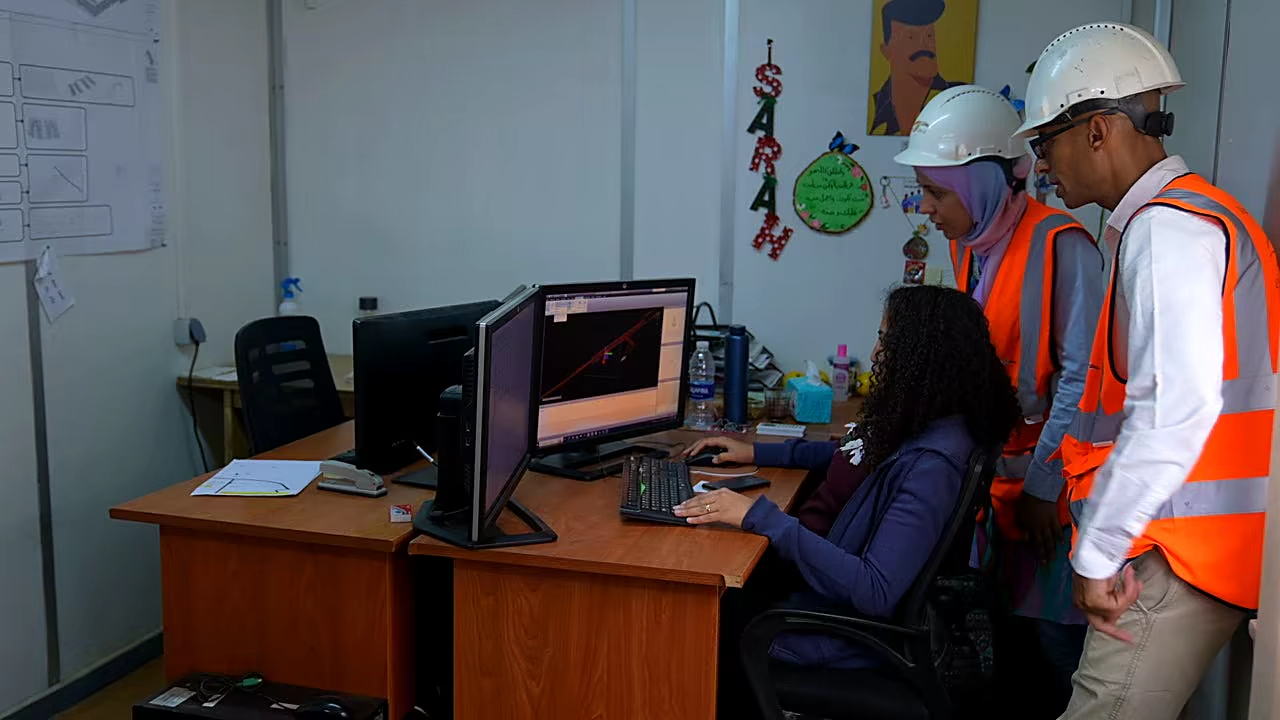
Site and Project Coordination
Once material reached the project, delivery remained dependent on the conditions of the wider construction environment.
MGE coordinated its engineering, installation and testing activities with the project schedule, site conditions, supporting infrastructure and interfaces with the main contractor and supervision consultant.
The delivery path remained connected from procurement through commissioning.
Testing and Commissioning
The system was not considered delivered when installation was complete.
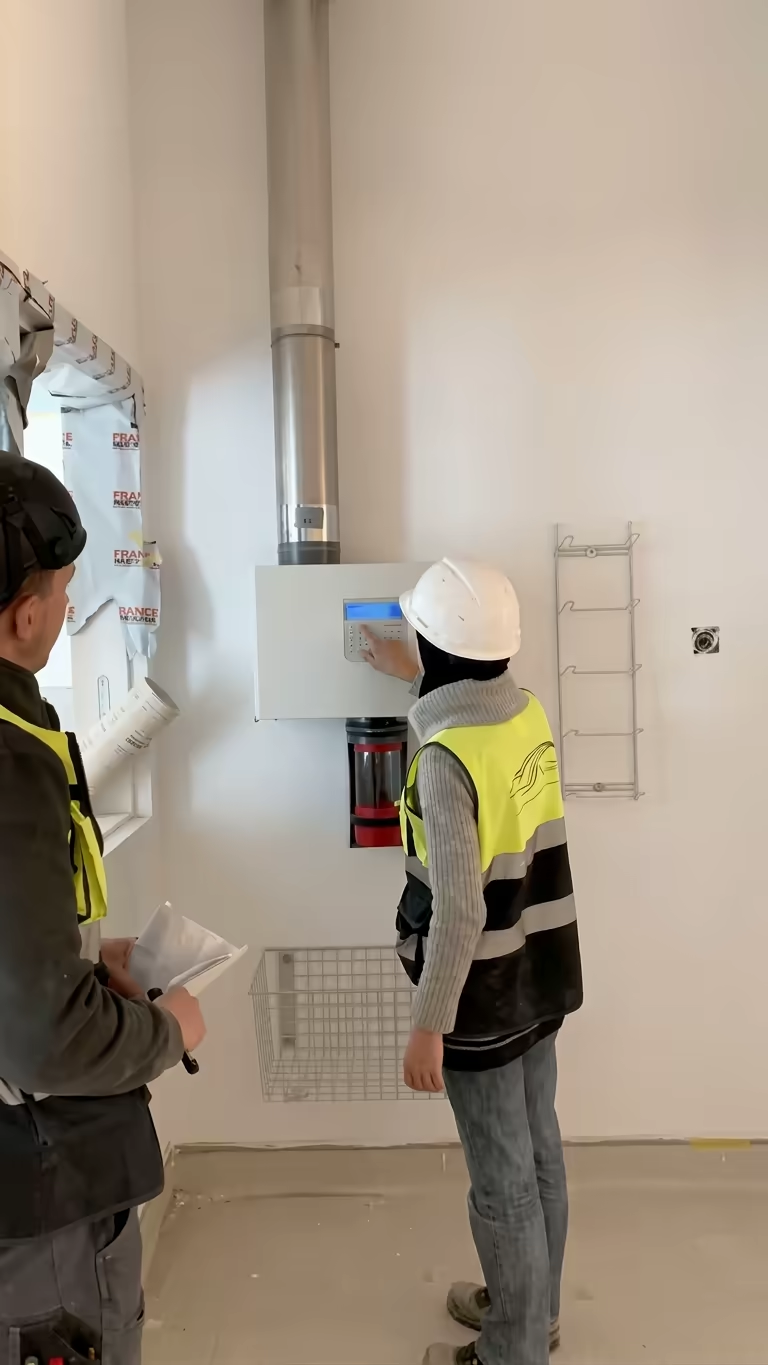
MGE carried the work through testing, verification, consultant inspection and commissioning.
The final commissioned system was subjected to more than 620 operational transactions, performed and witnessed by representatives of the owner, consultant and main contractor.
Delivery Performance
Despite the conditions surrounding the project, the system was delivered on time in July 2025.
The project achieved:
- First system delivered across the entire project
- On-time delivery
- Successful commissioning
- More than 620 commissioned operational transactions
- Consultant-approved inspections throughout the delivery
- Zero injuries
- Approved commissioned report
MGE’s system was the first system delivered across the entire project and, based on the project delivery record, the only system delivered on time.
The commissioning record provided a witnessed demonstration of the functioning system rather than completion based solely on installation.
What the Experience Revealed
The significance of this project is not only that a Pneumatic Tube System was delivered.
The experience revealed what becomes important when delivery conditions cannot be taken for granted.
Risk has to be addressed before it becomes a delay
By the time a supply-chain problem reaches the site, many of the decisions that caused it—or could have prevented it—have already been made.
MGE’s experience reinforced the importance of identifying dependencies early and protecting critical points in the delivery path before they become visible project delays.
Delivery depends on connections
Financial readiness, procurement, production, shipping, site access, installation and commissioning were not separate risks.
They were connected.
Managing one without understanding its effect on the others would not have protected the required outcome.
Conventional routes are not always sufficient
When established forwarding routes could not secure the shipment, continuing to follow the same route would not have changed the constraint.
The experience required MGE to search beyond conventional arrangements and continue coordinating until a workable path was established.
Commissioning is part of delivery
Installation alone does not demonstrate operational readiness.
The system had to be tested, witnessed, verified and commissioned before the delivery could be considered complete.
Safety and quality do not become secondary under pressure
The pressure to maintain the schedule did not remove the requirements for safe execution, quality or consultant verification.
The system was delivered without injury and with the required inspections, testing and commissioning approvals.
An Experience That Changed What MGE Looks For
The experience also influenced how MGE approaches future supply and delivery decisions.
The material manufacturer involved in this project was based in Germany, a country whose industrial conditions became one of the factors affecting the supply environment during the project period.
The experience demonstrated the importance of understanding where supply dependencies sit, how exposed they are to external conditions and what alternatives are available before a project depends on them.
For subsequent requirements, MGE has therefore entrusted supply to a US-based manufacturer – PEVCO, reflecting the broader principle that supplier selection must consider not only technical suitability, but also the conditions under which reliable delivery can be maintained.
The lesson is broader than a change of country of origin.
Supply capability is part of delivery capability.
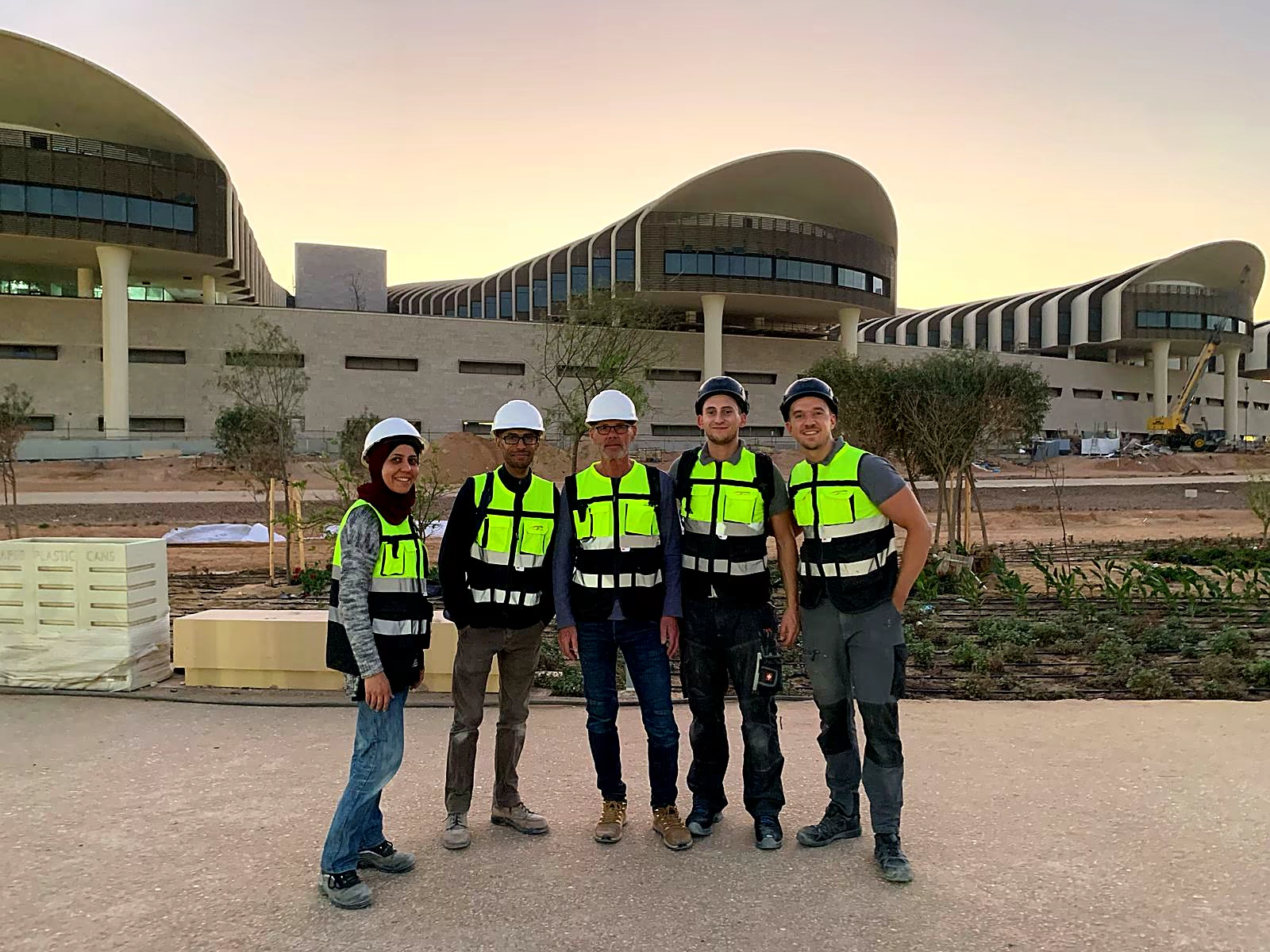
What Remained With the Project
The project ended with more than an installed system.
It left a functioning healthcare infrastructure capability that had passed through the full delivery cycle:
Designed
Supplied
Installed
Tested
Witnessed
Commissioned
Operating
The commissioning record documented more than 620 transactions performed and witnessed by the project stakeholders.
The system had been brought into operation without injury and within the required project timeframe, despite the conditions affecting the delivery environment.
For MGE, this experience became a practical reference for how interconnected risks can be identified, managed and carried through to an operational outcome.
What This Experience Demonstrates About MGE
The Magdi Yacoub Global Heart Centre experience demonstrates MGE’s ability to work across interconnected requirements when the conditions surrounding delivery change.
It brought together:
Project Management
Maintaining control across the complete delivery path.
Risk Management
Identifying financial, supply and logistical constraints before they became delivery failures.
Procurement & Supply
Protecting material availability under changing currency, production and shipping conditions.
Engineering Coordination
Connecting technical requirements with the wider project environment.
Site Execution
Adapting delivery to actual site conditions while maintaining quality and safety.
Testing & Commissioning
Carrying the system through verification and witnessed operational testing.
Continuity of Delivery
Maintaining the required outcome despite conditions that could have interrupted the path.
The experience demonstrates a principle that extends beyond this project:
When the outcome matters, delivery cannot be separated from the conditions that determine whether it can happen.
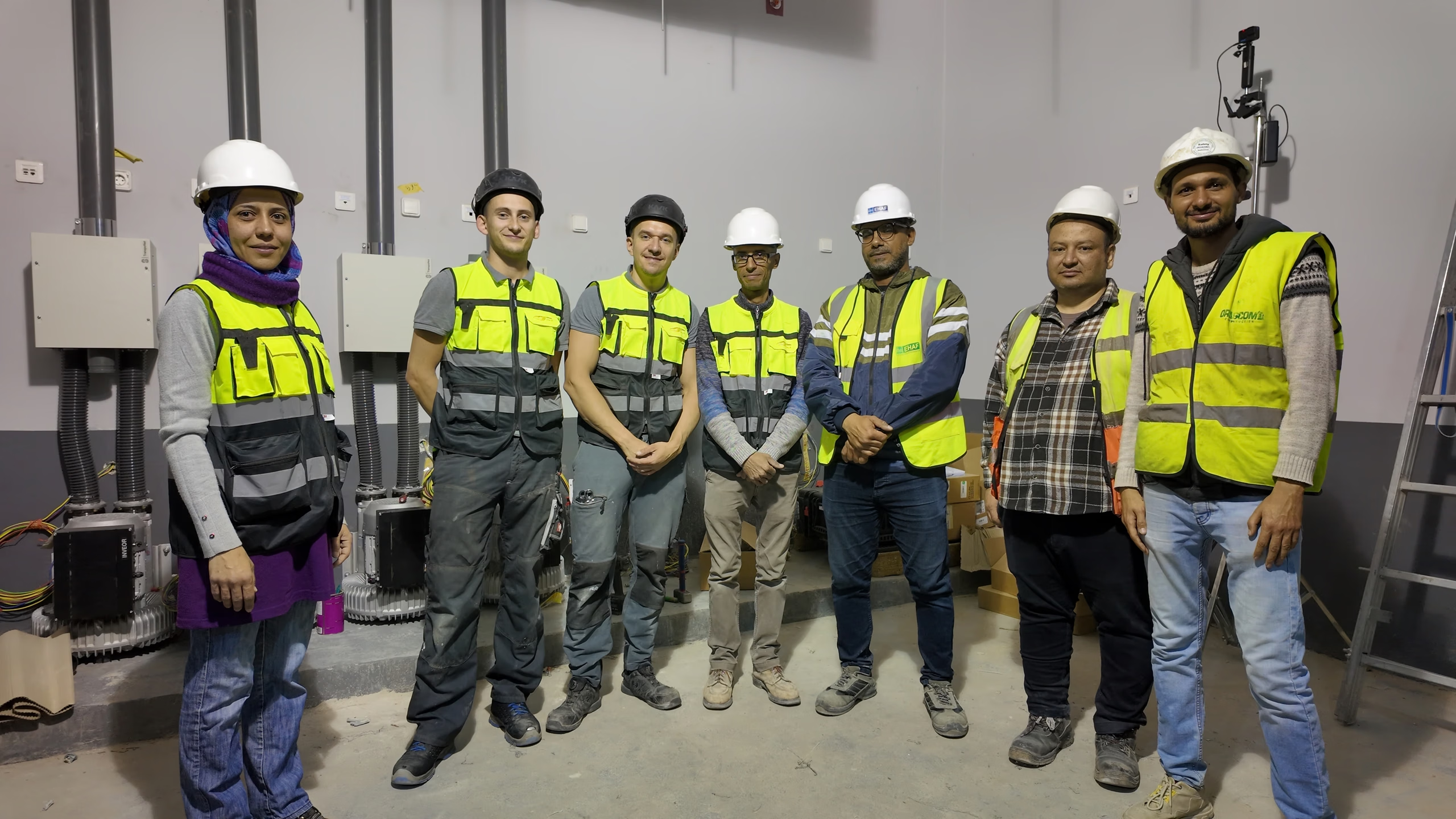
The Experience Carries Forward
MGE does not treat project experience as something that ends with project closeout.
What happened under real conditions becomes part of what MGE knows about procurement, supply dependencies, financial constraints, risk, coordination and delivery.
The Magdi Yacoub Global Heart Centre project demonstrated that protecting a critical outcome may require action long before the problem becomes visible—and sometimes requires moving beyond the conventional route when the conventional route can no longer protect the outcome.
That experience now informs how MGE approaches complex delivery environments.
Not simply how to install a system.
How to protect the path that allows the system to become operational when it is needed.